
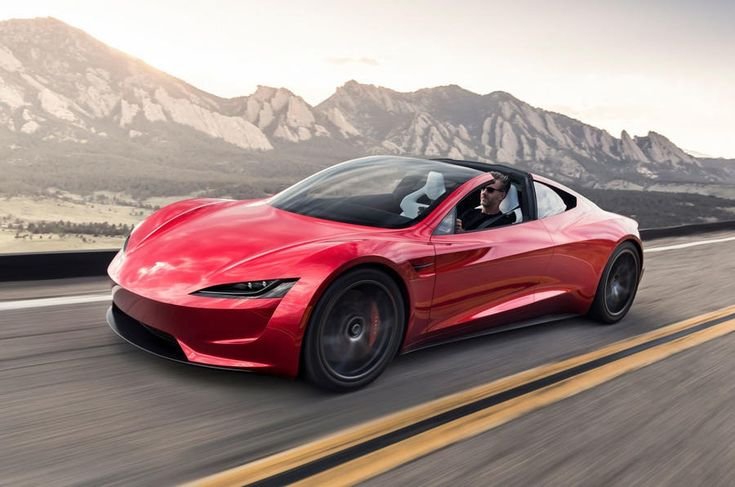
The automotive world is evolving faster than ever. What was once a mechanical machine is now transforming into an intelligent, connected, and eco-friendly companion designed to make our lives safer, smoother, and more efficient. As we step deeper into 2025, new technologies, regulatory changes, and consumer expectations are reshaping how cars are designed, built, and driven.
From advanced safety features to sustainable powertrains and futuristic interiors, today’s cars represent a perfect blend of engineering and digital innovation. Let’s explore the top car trends of 2025 that are driving the future of mobility.
1. Electric Vehicles (EVs) Become the New Standard
While EVs have been gaining traction throughout the last decade, 2025 marks a turning point where electric cars are no longer niche — they’re mainstream.
Why this trend is booming:
- Improved ranges exceeding 500–700 km
- Faster charging through ultra-rapid stations
- Affordable EV models entering the market
- Government incentives and stricter emission norms
- Growth of solid-state battery research
Manufacturers are focusing on creating EVs that deliver not just sustainability, but also performance, comfort, and style. The next wave of EVs will offer smarter thermal management, advanced battery systems, and integrated charging solutions that make owning an electric vehicle easier than ever.
2. Autonomous Driving Gets More Capable
Self-driving technology continues to evolve, and 2025 sees major strides in automation. While full autonomy (Level 5) isn’t widespread yet, Levels 2 and 3 have become far more reliable, offering partial hands-free driving on highways and controlled environments.
Key developments:
- Better sensor fusion (Lidar + radar + cameras)
- AI-powered decision-making
- Traffic jam assist and highway autopilot
- Advanced self-parking and remote parking
Automakers are also rolling out cars that learn from driver behavior, improving safety and comfort over time. With more cities testing autonomous shuttles and logistics fleets, the shift toward driverless mobility is becoming increasingly tangible.
3. Connected Cars and 5G Integration
Cars are becoming smarter not just because of onboard computers, but also because they are constantly connected to everything around them. In 2025, 5G-enabled vehicles are enabling ultra-fast communication that enhances safety and convenience.
Connected car features now include:
- Real-time traffic and hazard alerts
- Vehicle-to-vehicle (V2V) communication
- Vehicle-to-infrastructure (V2I) data exchange
- Over-the-air software updates
- Integrated smart home control
Drivers benefit from smoother navigation, fewer accidents, improved performance, and seamless integration with digital assistants and mobile apps. The car is becoming a full-fledged node in the Internet of Things (IoT).
4. Sustainable Materials and Eco-Conscious Manufacturing
2025 brings a strong push toward green manufacturing. Automakers are adopting recycled materials, renewable resources, and energy-efficient production techniques.
Cars now include:
- Veg-leather and plant-based upholstery
- Recycled plastics for interior components
- Solar-powered auxiliary systems
- Bio-based paints and adhesives
These innovations reduce environmental impact without compromising comfort or aesthetics. Sustainability has become more than a trend — it’s an industry-wide mission.
5. Advanced Safety Technologies for Zero-Accident Goals
Safety remains the most important focus in automotive innovation. With advancements in AI, sensors, and vehicle architecture, 2025 cars are equipped with features that move us closer to zero-accident mobility.
New safety trends include:
- Predictive collision avoidance
- Enhanced pedestrian and cyclist detection
- 360° vision systems with AR overlays
- AI-based driver monitoring
- Intelligent braking and stability systems
These systems work together to prevent accidents before they happen. Cars don’t just respond — they anticipate.
6. Smart Interiors and Personalized Driving Experiences
Car interiors in 2025 feel like a blend of a lounge, workspace, and entertainment hub. The cabin is now a digital experience, focusing on comfort, personalization, and immersion.
Trendsetting interior enhancements:
- Augmented reality HUDs
- AI voice assistants
- Mood-adaptive lighting
- Panoramic touch displays
- Gesture and eye-tracking controls
- Health monitoring sensors
Personalization is key — cars adjust music, climate settings, seating position, and even driving mode based on user profiles.
7. Software-Defined Vehicles (SDVs)
One of the biggest trends of 2025 is the rise of software-defined vehicles — cars where software updates are more important than mechanical upgrades.
What SDVs offer:
- Continuous improvements via over-the-air updates
- New features delivered digitally
- Reduced need for service-center visits
- Extendable lifespan of vehicles
- Better cybersecurity protections
Cars that evolve over time, just like smartphones, are becoming the new normal.
8. Shared Mobility and Flexible Ownership Models
You don’t need to own a car to enjoy mobility. In many cities, car subscription services, shared EV fleets, and on-demand shuttles are becoming popular alternatives.
Benefits include:
- Lower upfront costs
- No insurance or maintenance hassles
- Flexibility to switch between vehicle types
- Reduced congestion and emissions
This shift is especially appealing to younger users who prefer convenience over ownership.
9. High-Performance EVs and Next-Gen Aerodynamics
Performance cars are also transforming. Instead of loud engines, 2025’s performance vehicles rely on advanced electric powertrains and intelligent aerodynamics.
Latest developments:
- Instant torque EV sports cars
- Active aero systems
- Lightweight carbon fiber builds
- AI-tuned suspension systems
These innovations deliver thrilling performance with a focus on efficiency and sustainability.
Final Thoughts: The Road Ahead
The car trends of 2025 paint a picture of a future that is smarter, safer, and far more efficient than anything we’ve seen before. From electrification and autonomy to connected ecosystems and personalized interiors, the automobile industry is reinventing itself from the ground up.
As these innovations mature, driving will become more sustainable, more enjoyable, and significantly safer. Whether you’re an enthusiast or a daily commuter, the future of driving promises experiences that are intelligent, immersive, and environmentally conscious.
