
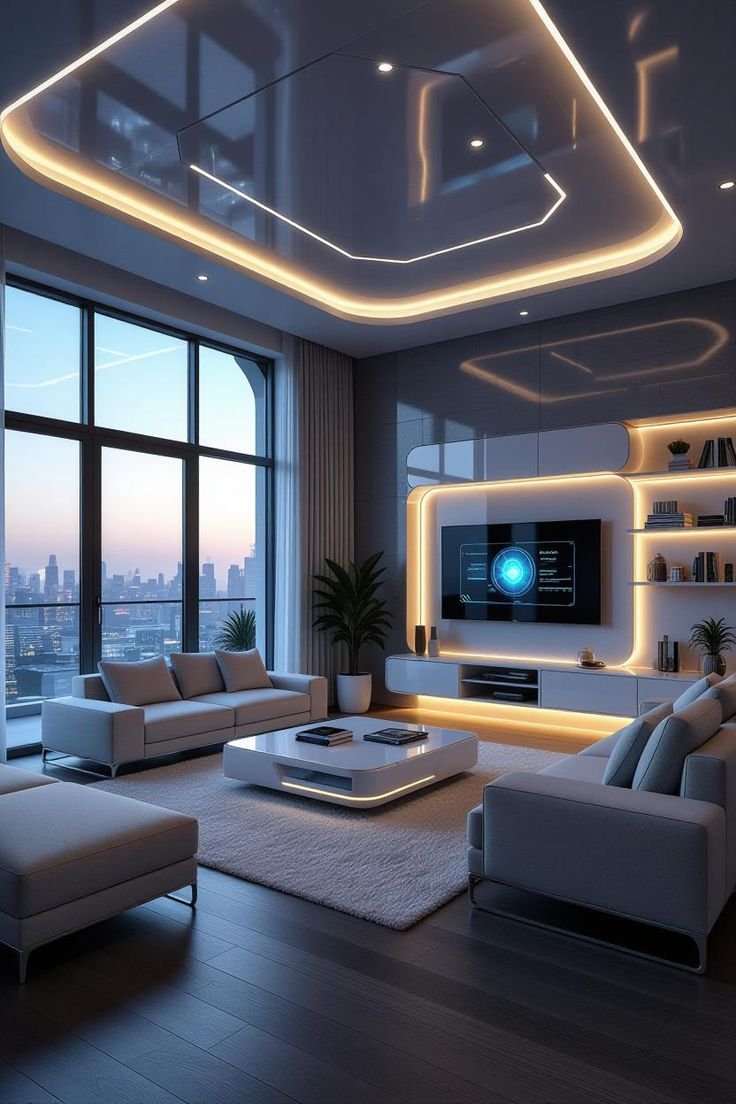
In a world full of constant noise, notifications, and endless to-do lists, your home should feel like a peaceful retreat — a space that helps you recharge.
The good news? You don’t need an interior designer or a huge budget to create calm. With a few thoughtful adjustments and mindful choices, you can turn any corner of your home into a soothing sanctuary.
Here’s how to make your home feel calmer, cozier, and more balanced — without spending much money.
1. Start with Decluttering
Clutter is one of the biggest enemies of calm. A messy room can make your mind feel equally chaotic. The first step to creating a peaceful space is simplifying what’s around you.
Take it one area at a time — start with your desk, your nightstand, or even your kitchen counter. Ask yourself: Do I really need this item? If not, donate, recycle, or store it away.
Tip: Follow the “one-touch rule” — when you pick something up, put it back in its proper place right away instead of setting it down elsewhere.
Even spending 10 minutes a day decluttering can dramatically improve the sense of order and relaxation in your home.
2. Use Natural Light to Your Advantage
Lighting has a direct effect on your mood. Whenever possible, let natural light in. Open curtains during the day to invite sunlight, which can boost energy levels and improve your mental well-being.
If you have limited natural light, use soft, warm bulbs that mimic daylight. Avoid harsh white or blue-tinted lights in the evening — they can interfere with your body’s natural rhythm.
Budget Tip: Move mirrors opposite windows to reflect sunlight and make your room look brighter and bigger without spending a rupee.
3. Rearrange Furniture for Better Flow
Sometimes, the calmness of a space has less to do with what’s in it and more with how it’s arranged. Rearranging furniture can make a huge difference in how peaceful a room feels.
Try to:
- Keep walkways open and uncluttered.
- Place furniture in a way that encourages conversation or relaxation.
- Avoid blocking windows or natural light sources.
If possible, angle your favorite chair near a window or a corner with plants — this creates an instant cozy reading or reflection nook.
4. Add a Touch of Green
Indoor plants are one of the most affordable ways to bring calm energy into a home. They purify the air, add color, and naturally reduce stress.
You don’t need expensive or exotic plants. Try easy-to-care-for varieties like:
- Snake plant (Sansevieria)
- Pothos (Money Plant)
- Peace lily
- Aloe vera
Even one or two small plants on your windowsill or desk can make your environment feel fresher and more relaxing.
Bonus: Many plants also improve air quality, reducing indoor toxins — a win for both body and mind.
5. Bring in Soothing Scents
Scents have a powerful connection to emotions. Calming fragrances like lavender, chamomile, vanilla, or sandalwood can help your brain slow down and unwind.
You don’t have to buy expensive candles or diffusers. A few budget-friendly ideas:
- Use essential oils with a few drops in water for natural fragrance.
- Boil herbs or citrus peels for a fresh scent.
- Make your own DIY sachets using dried flowers or coffee beans.
Pro Tip: Use a cotton ball soaked in essential oil and tuck it inside your pillowcase or dresser for a subtle, long-lasting scent.
6. Choose Soothing Colors
Color psychology plays a big role in how we feel in a room. Shades of white, beige, sage green, or pale blue tend to create a calm, open vibe.
If repainting isn’t an option, use these colors in smaller accents — throw blankets, cushion covers, or wall art. Soft pastels or muted tones can make a space look balanced and peaceful without the cost of a full makeover.
Budget Tip: You can even paint just one “accent wall” to refresh the room for a fraction of the cost.
7. Reduce Digital Noise
A calm home isn’t just about physical comfort — it’s about mental clarity too. Technology, while essential, can also add stress.
Designate a few “tech-free zones” in your house — such as the dining table or bedroom — where phones and screens are off-limits. This helps your brain disconnect from the constant flow of information.
You could also set up a “charging station” outside your bedroom so your phone isn’t the last thing you see at night.
Tip: Replace TV noise with calming sounds — nature tracks, instrumental playlists, or ambient rain sounds can instantly set a relaxed tone.
8. Incorporate Soft Textures
Textures have a subtle yet powerful effect on comfort. A soft rug, cozy throw blanket, or plush cushion can make your room instantly more inviting.
You don’t need to buy new decor — repurpose what you already own. Move a cozy blanket from your living room to your bedroom or layer fabrics to add warmth and softness.
Think: comfort you can feel. The goal is to make your space one that invites you to slow down and rest.
9. Personalize with Meaningful Decor
Calmness also comes from feeling connected to your space. Instead of filling your home with random objects, focus on items that carry emotional meaning — a family photo, a travel souvenir, or a handmade gift.
When you’re surrounded by things that make you smile or spark good memories, even a simple room feels more peaceful.
Avoid over-decorating, though. A few meaningful pieces stand out better than a crowded wall.
10. Use Sound to Shape the Atmosphere
Sound influences the energy of your space. Constant background noise — honking cars, TV chatter, or neighborhood activity — can cause subtle stress.
Try these low-cost fixes:
- Play soft instrumental or lo-fi music while you work or relax.
- Use a white noise app for restful sleep.
- Add thick curtains or rugs to absorb outside sounds.
Even simple steps like keeping windows closed during rush hour can make a noticeable difference.
11. Make Space for Mindfulness
A calm home should have at least one dedicated “quiet corner.” It doesn’t have to be big — just a comfortable spot where you can sit, read, stretch, or meditate.
You can create one with:
- A floor cushion or yoga mat
- A small candle or lamp
- A journal or book
Spend even 5–10 minutes daily here. This small ritual can lower anxiety, improve focus, and strengthen your sense of calm.
12. Keep It Fresh and Clean
You don’t need fancy products to keep your home feeling new. Natural cleaning agents like lemon, baking soda, and white vinegar can make your space shine — and smell great too.
A clean environment doesn’t just look better; it creates psychological relief. When your surroundings are tidy and fresh, your brain feels more in control and less overwhelmed.
Small habit idea: End each day with a quick 10-minute cleanup routine. It helps you wake up to a calm home every morning.
13. Embrace Minimalism — Your Way
Minimalism doesn’t mean empty spaces. It means keeping what truly adds value to your life and letting go of what doesn’t.
When you have fewer possessions, you have fewer decisions to make, fewer things to clean, and more mental peace.
Start small — clear one drawer, one shelf, or one closet. Over time, this becomes a mindset: focusing on quality, not quantity.
Final Thoughts
Creating a calm home doesn’t require a big budget — it’s about making thoughtful choices that support your peace of mind.
Declutter a little, let in natural light, bring in greenery, and surround yourself with colors, textures, and scents that make you feel grounded.
Even a few small changes can make your living space feel like a personal retreat — a place that supports your mental well-being every day.
Disclaimer
This content is for informational purposes only and is not intended as professional interior or mental health advice. Individual results may vary based on environment and preferences.
