
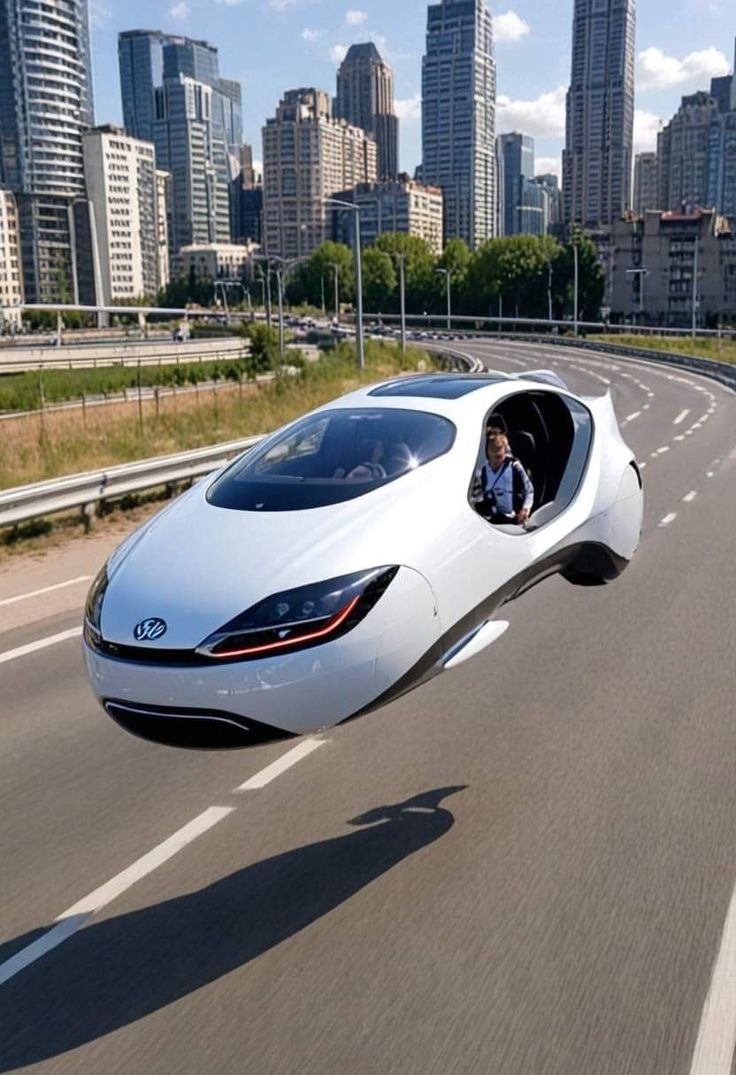
The automotive world is evolving faster than ever before. What once seemed like science fiction—self-driving cars, smart dashboards, AI assistants—is now becoming a reality. The future of driving isn’t just about getting from point A to B. It’s about intelligence, connectivity, efficiency, and safety. Here are the biggest innovations reshaping the way we drive, and what they mean for our roads, experiences, and lives.
1. Advanced Driver Assistance & Autonomous Driving (ADAS & Autonomy)
One of the most transformative changes in recent years has been the shift from basic driver assistance systems to true semi- and fully autonomous driving.
- ADAS Goes Mainstream: Modern vehicles already come with sophisticated ADAS features — such as adaptive cruise control, lane-keeping assist, automatic emergency braking — but these are now becoming more powerful and intelligent. Explore Canada Now+1
- Higher Levels of Autonomy: Automakers and tech companies are pushing into Level 3 and Level 4 autonomy. Auto-Innovations International+2Explore Canada Now+2 For example, Lucid is planning a self-driving EV built on Nvidia’s DRIVE chips, indicating serious progress toward “eyes-off” driving. Reuters
- Robotaxis & Public Autonomy: Companies such as WeRide are deploying driverless buses (“robobuses”) and autonomous vehicles in public networks, potentially changing urban transportation. Wikipedia
These innovations promise safer and more efficient roads, but they also bring big ethical, legal, and infrastructure questions — such as who’s responsible in a crash, and how to regulate self-driving systems.
2. Next-Gen Electrical Architecture & Platform Innovation
Electric vehicles (EVs) are not just about replacing ICE (internal combustion engine) with batteries. The architecture underneath them is rapidly evolving.
- Smart Vehicle Platforms: Geely has introduced its Global Intelligent New Energy Architecture (GEA) platform, which integrates AI, hardware, and software in one scalable system. Wikipedia This makes it easier for automakers to design vehicles for different energy types — pure EV, hybrid, or even methanol-based systems.
- 900V Electrical Systems: Some high-performance EVs are now using ultra-high-voltage architectures (like 900V), which enable faster charging and greater efficiency. A notable example is Nio’s ET9, which combines a powerful dual-motor drive with a 900V system for better performance and rapid energy transfer. Wikipedia
This level of integration and performance sets the stage for EVs that are not just green but genuinely high-performing and future-ready.
3. Smart In-Car Interfaces & AI-Powered Experiences
Driving is becoming more than a mechanical task; it’s turning into a fully connected, intelligent experience.
- AI Voice Assistants: Carmakers are embedding powerful AI assistants into their vehicles. At CES 2025, companies like Sony-Honda Mobility showed voice agents that understand complex commands, making driving more conversational and intuitive. Thales Group+1
- Holographic & AR Displays: The traditional dashboard is getting a massive upgrade. Holographic displays and augmented reality (AR) dashboards project critical information—such as speed, navigation, and alerts—onto the windshield. Thales Group+1 This allows drivers to keep their eyes on the road while accessing smart, dynamic content.
- Biometric Monitoring: Safety is going deeper than external sensors — automakers are exploring biometric systems to monitor driver heart rate, drowsiness, and attention. Thales Group These systems can alert the driver (or even intervene) if they detect danger or fatigue.
These technologies are turning cars into smart companions, not just vehicles. They help reduce distraction, anticipate needs, and enhance overall driving comfort.
4. Connectivity & Vehicle-to-Everything (V2X) Communication
The car of the future doesn’t just drive — it talks. And what it talks about is more than just GPS.
- V2X Communication: Vehicle-to-Everything (V2X) technology enables cars to communicate with each other (V2V), with infrastructure like traffic lights (V2I), and even pedestrians (V2P). Mass Appeal Marketing+1 This real-time communication can help warn drivers of hazards, optimize traffic flow, and avoid collisions.
- 5G & Real-Time Data Sharing: With fast 5G networks, data exchange becomes nearly instantaneous. Cars can send and receive information about road conditions, traffic, and more — making driving smarter and safer. All Insight Lab
- Software-Defined Vehicles (SDVs): Modern cars are becoming software-defined, meaning a lot of their functionality is determined by software. Over-the-air (OTA) updates let manufacturers push new features or security patches directly to vehicles, just like mobile phones. All Insight Lab+1
Connectivity is critical: the more cars communicate, the more roads can become intelligent systems.
5. Generative AI & Predictive Systems
Artificial intelligence is now at the heart of car innovation, and generative AI is pushing the envelope.
- GenAI Interfaces: Generative AI isn’t just for voice assistants — it’s also being used to create personalized in-car experiences. According to recent academic studies, GenAI can design components, generate synthetic sensor data for testing, and build more natural human–machine interactions. arXiv
- Predictive Maintenance: AI-driven predictive analytics monitor vehicle performance and predict when parts might fail, enabling proactive maintenance. Mass Appeal Marketing
- Personalized Driving Experience: Cars can adapt based on the driver — adjusting climate control, infotainment, and even driving behavior based on previous data. As AI learns over time, driving becomes more tailored, efficient, and enjoyable. Explore Canada Now+1
Generative AI makes the car more than a transport medium; it’s a cognitive assistant that evolves with you.
6. Enhanced Autonomous Driving Hardware
Software is only one piece of the puzzle — the hardware to support autonomous driving is improving fast.
- LiDAR, Radar & Sensor Fusion: Many new vehicles are using a combination of sensors to achieve high-precision perception. For example, the AITO M5 Ultra integrates 192-line LiDAR and multiple radars to support advanced driver assistance, emergency braking, and remote parking. Wikipedia
- Steer-by-Wire Systems: Traditional mechanical connections between the steering wheel and the wheels are being replaced by electronic systems. In such systems, steering is performed by software, allowing new design possibilities and faster, more flexible responses. TechRadar
- High-Performance Computing: Cars need powerful processors to handle real-time AI, sensor data, and decision-making. Platforms like Nvidia Drive Orin / Thor are being deployed by automakers to power autonomous and smart driving features. Auto-Innovations International+1
These hardware advances are the backbone that makes the smart driving vision possible.
7. Sustainable & Adaptive Energy Systems
The future of driving isn’t just smart — it’s greener.
- AI-Based Battery Management: Automakers are using AI to optimize battery performance, managing charging cycles, predicting power usage, and improving battery longevity. NCR Guide
- Modular EV Platforms: With modular architectures such as Geely’s GEA, manufacturers can support different energy types (pure EV, hybrid, etc.) on the same platform. Wikipedia
- Regenerative & Solar Charging: Innovative designs are emerging where EVs can harvest energy while driving (regenerative braking) or through solar panels integrated into the car’s body. NCR Guide
Such systems make EVs not only less polluting but also more self-sustaining.
8. Biometric & Health-Integrated Safety Features
Cars are no longer just observers — they’re becoming caretakers.
- Driver Health Monitoring: By using near-infrared cameras and biometric sensors, new cars can detect driver stress, fatigue, or even abnormal heart rates. Thales Group
- Personalized Alerts: If the system senses that a driver is drowsy or not paying attention, it can issue personalized alerts or vibrate the steering wheel. Thales Group
- Identity & Security: Some vehicles are experimenting with recognizing drivers via facial recognition or biometric data, which could be used for personalization or theft protection. Thales Group
Health-aware cars could significantly reduce accident risk and improve driving comfort.
9. Vehicle-as-a-Service (VaaS) & New Mobility Models
The car of the future might not just be a car — it could be a service.
- VaaS Concept: Vehicle-as-a-Service (VaaS) envisions cars acting as mobile smart servers, providing computing, communication, and sensing capabilities for smart city infrastructure. arXiv
- Shared Autonomous Fleets: Autonomous taxis, shared EVs, and robotaxis are likely to become more common, reducing the need for individual car ownership.
- Software-First Business Models: With SDVs (software-defined vehicles), manufacturers can monetize through subscriptions, updates, and data services rather than just selling hardware.
This model can democratize mobility, reduce urban congestion, and optimize how vehicles are used and maintained.
10. In-Cabin Comfort & Personalization
Finally, the interior of the car is being reimagined to be more than a cockpit — it’s becoming a living space.
- Modular & Swappable Interiors: Concept vehicles like Peugeot’s Polygon show interiors where seats are swappable, and even the steering feel is customizable. TechRadar
- Adaptive Displays: Panoramic or wrap-around infotainment displays are appearing, and they’re backed by AI to prioritize what’s most relevant to the driver and passengers. Thales Group+1
- Emotion-Aware Systems: Using biometric and AI data, vehicles can respond to your emotional state — by changing lighting, music, or even suggesting breaks when you’re stressed. Thales Group
Cars are evolving into intelligent, personalized lounges, tuned to both your needs and feelings.
Why These Innovations Matter
- Safety First: With ADAS, biometric monitoring, and V2X, the risk of accidents drops significantly.
- More Efficiency: Smarter battery management and connected systems mean less energy wasted and more miles covered.
- Better Experience: Personalized AI assistants, flexible interiors, and AR displays make driving more enjoyable.
- Sustainability: EVs, modular energy systems, and VaaS help reduce environmental impact.
- Accessibility & Mobility: Autonomous vehicles and shared models could make mobility easier for non-drivers and underserved populations.
Final Thoughts
The automobile innovations of 2025 are not just incremental updates — they are a fundamental shift in how we think about mobility. Cars are no longer mechanical machines; they’re becoming smart, living spaces powered by AI, connectivity, and sustainable energy.
As these technologies mature, we can expect safer roads, more efficient travel, and a richer, more personalized driving experience. For the first time, the car of tomorrow feels like a real companion — not just a means to an end.
