
In today’s fast-paced world, most of us dream of becoming more productive, organized, and at peace — yet we often believe it requires massive lifestyle overhauls. The truth is, lasting transformation begins with small, consistent changes. Tiny habits, when practiced daily, compound into major results over time.
Whether you want to improve your health, mindset, or efficiency, adjusting a few details in your routine can create surprising long-term benefits. Let’s explore some small, science-backed changes that can truly make a big difference in your day-to-day life.
1. Start Your Morning with Intention
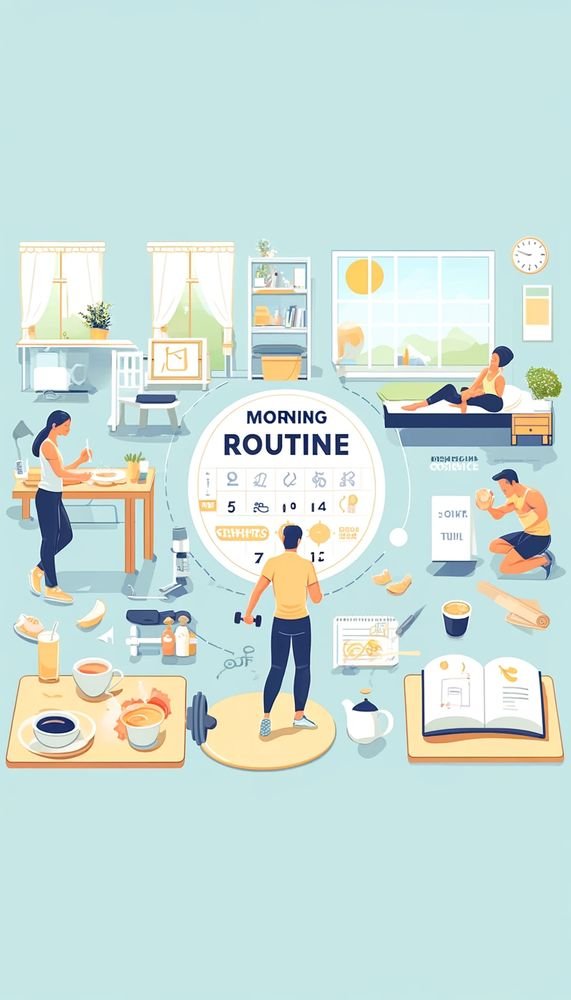
The way you begin your morning sets the tone for your entire day. Instead of rushing out of bed and immediately checking your phone, take just 10 minutes for mindful preparation.
A few easy ways to reset your mornings:
- Avoid screens for the first 15–30 minutes. It helps reduce stress and digital overload.
- Drink water before coffee to rehydrate your body after hours of rest.
- Plan your top 3 priorities — not a long to-do list, just what matters most.
You’ll find that beginning the day with clarity and calm leads to more energy and focus throughout.
2. Make Movement Non-Negotiable
You don’t have to spend hours in the gym to feel better. Just 15–20 minutes of light exercise can boost your energy, improve mood, and sharpen concentration.
Simple habits that count:
- Take the stairs instead of the elevator.
- Walk or stretch during short breaks.
- Use a standing desk for part of your workday.
Research shows even small bursts of physical activity — like a quick 5-minute walk — can improve blood circulation and reduce fatigue.
If you’re working from home, try apps like Stretchly, Seven, or FitOn to remind you to move regularly.
3. Declutter One Area at a Time
Physical clutter leads to mental clutter. You don’t need a full weekend to organize your space — start with one small area each day: your desk, your nightstand, or even your email inbox.
Use the “One-Minute Rule”: if a task takes less than one minute (like tossing old receipts or deleting junk mail), do it right away.
Keeping your surroundings neat doesn’t just make your home look better — it helps your brain process information more efficiently and reduces anxiety.
4. Practice the Two-Minute Rule for Tasks
Productivity expert David Allen coined the “two-minute rule”: if something can be done in under two minutes, do it immediately.
Reply to that short email. Pay that quick bill. Fold that small load of laundry.
These mini-actions keep your mental load light and prevent procrastination from building up.
Over time, these small wins create a sense of progress and momentum — one of the most powerful motivators for staying productive.
5. Eat Mindfully (Even for One Meal a Day)
Mindful eating isn’t about dieting — it’s about slowing down. Many people multitask while eating, scrolling through phones or working at their desks.
Try dedicating one meal per day to mindful eating:
- Sit down without distractions.
- Notice the taste, texture, and aroma of your food.
- Chew slowly and stop when you feel full.
This practice improves digestion, reduces overeating, and enhances appreciation for what you consume. It’s a small step that greatly improves your overall relationship with food.
6. Reduce Digital Noise
We live in a world of constant notifications — emails, social media alerts, group messages. Every ping steals a bit of focus.
Here’s a simple trick:
- Turn off non-essential notifications.
- Check messages at specific intervals instead of instantly responding.
- Unfollow or mute content that doesn’t add value.
You’ll be amazed at how much calmer and more productive you feel once you take control of your digital space.
For extra help, tools like Freedom, Digital Wellbeing, and Forest can block distractions and track screen time effectively.
7. Set Boundaries Around Your Energy
You only have so much energy each day — protect it wisely. Learn to say no to commitments that drain you or don’t align with your goals.
Before agreeing to something, ask yourself:
- Does this add value to my life or just fill time?
- Am I doing this out of obligation or genuine interest?
Setting healthy boundaries allows you to focus on what truly matters, both at work and in personal life. It’s one of the most transformative small changes you can make for long-term mental well-being.
8. Prioritize Sleep Quality, Not Just Quantity
Getting more rest doesn’t always mean sleeping longer — sometimes it’s about sleeping better.
A few quick changes can dramatically improve your sleep:
- Keep a consistent bedtime and wake-up time.
- Avoid screens at least 30 minutes before bed.
- Keep your bedroom cool, dark, and quiet.
If you struggle to unwind, try using white noise apps, light-blocking curtains, or simple breathing exercises before bed. Quality sleep boosts mood, immunity, and cognitive performance — the foundation of every productive day.
9. Keep a Short Gratitude List
It’s easy to focus on what’s wrong, but training your mind to notice what’s right can change your entire outlook.
Before sleeping, list three things you’re grateful for — big or small. It could be a productive meeting, a good meal, or a quiet walk.
Studies show gratitude journaling helps reduce stress, improve sleep, and increase happiness levels over time. It’s a simple five-minute ritual that strengthens mental resilience.
10. Learn to Take Micro-Breaks
Our attention span is limited. Working non-stop leads to fatigue and lower quality results. Instead, take micro-breaks — short, intentional pauses throughout your day.
Try the Pomodoro technique:
- Work for 25 minutes
- Take a 5-minute break
- Repeat
During those short breaks, look away from screens, stretch, or breathe deeply. These mini-pauses reset your focus, preventing burnout and increasing overall productivity.
11. Simplify Your Finances
Financial stress can quietly drain your mental energy. Small adjustments can bring major peace of mind:
- Automate bill payments and savings.
- Review subscriptions monthly and cancel unused ones.
- Use budget tracking apps like Mint, YNAB, or PocketGuard.
These tools give you control over your money, prevent surprises, and help you make smarter spending choices — all without needing hours of financial planning.
12. Add One Learning Habit to Your Day
Continuous learning keeps your mind sharp and adaptable. You don’t need to take full courses — just spend 10–15 minutes daily expanding your knowledge.
You can:
- Read one article on a topic you enjoy.
- Listen to a podcast while commuting.
- Watch a short educational video or TED talk.
These small learning moments compound into big intellectual growth over time — helping you stay informed, confident, and ready for future opportunities.
13. Practice Daily Reflection
At the end of the day, pause to review what went well and what you’d like to improve. Reflection turns experiences into insight.
Ask yourself:
- What am I proud of today?
- What can I do differently tomorrow?
You can jot down quick notes in a journal or use apps like Daylio or Journey. Reflection helps you stay self-aware, grounded, and intentional in your progress.
14. Drink More Water (and Less Caffeine)
Hydration is one of the simplest and most overlooked factors affecting energy and concentration. Even mild dehydration can cause fatigue or headaches.
Keep a water bottle nearby, and try replacing one daily coffee with water or herbal tea.
It’s a small change — but over time, it significantly improves focus and physical well-being.
15. Be Kind — It’s Contagious
A simple smile, compliment, or small act of kindness has ripple effects that go beyond your own day. It improves social connection, lowers stress hormones, and builds emotional resilience.
Start with one kind gesture daily — thank a coworker, message a friend, or hold the door for someone.
It costs nothing but can make your day (and someone else’s) infinitely better.
Final Thoughts
Big life changes often feel overwhelming — but they don’t have to be. The real power lies in tiny, consistent habits that align with your values and goals.
Start with just one or two of these small changes — maybe decluttering your workspace or setting morning intentions — and build from there.
In a few weeks, you’ll notice more focus, peace, and energy. In a few months, you’ll realize that small steps were actually the foundation for a major transformation.
Remember: Small changes make big differences — when done consistently.
Disclaimer
This article is for informational purposes only. It does not replace professional lifestyle, health, or financial advice. Always make adjustments that fit your personal needs and consult professionals when necessary.
