
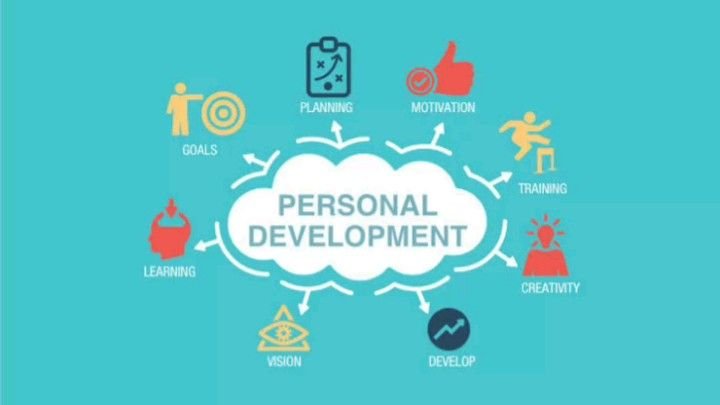
In 2025, the focus of education and personal development is shifting from theoretical knowledge to skill-based learning. As industries evolve at an unprecedented pace, employers are prioritizing practical skills that can be applied directly in the workplace. This shift has made skill-based learning not just an option but a necessity for students, professionals, and lifelong learners seeking to stay competitive. Whether you are planning your career path, enhancing your current role, or exploring new opportunities, understanding which skills matter most is crucial.
One of the most significant trends driving skill-based learning is the rise of technology-driven industries. The rapid adoption of artificial intelligence, machine learning, and automation is reshaping job roles across sectors. As a result, technical skills in AI, data science, cloud computing, and cybersecurity are among the most in-demand competencies in 2025. Learning how to analyze data, build predictive models, and secure digital infrastructure is no longer reserved for tech specialists; these are valuable skills for professionals in finance, marketing, healthcare, and even creative fields. Platforms offering practical courses with real-world applications have made it easier than ever to acquire these skills outside traditional classroom settings.
Alongside technical expertise, digital literacy and adaptability have become essential. In a world where remote work, cloud-based tools, and digital communication are ubiquitous, being able to navigate digital platforms, collaborate online, and quickly adapt to new software is a critical skill. This includes proficiency in project management tools, digital marketing platforms, collaborative software like Slack and Microsoft Teams, and cloud solutions such as AWS or Google Cloud. Skill-based learning in this area empowers individuals to seamlessly integrate into modern work environments and maintain productivity in an increasingly digital-first economy.
Another crucial focus area in 2025 is soft skills and emotional intelligence. While technical skills can secure a job, soft skills often determine success in that role. Leadership, communication, problem-solving, critical thinking, and teamwork are indispensable across industries. Skill-based learning now emphasizes interactive training programs, role-playing simulations, and peer collaborations to develop these abilities effectively. Courses on negotiation, conflict resolution, and public speaking are gaining traction, equipping learners to navigate professional challenges with confidence and finesse.
Creative and design skills are also seeing a surge in demand. As businesses prioritize user experience, branding, and content creation, skills in graphic design, UX/UI, video editing, and digital storytelling have become invaluable. Platforms that offer hands-on projects and portfolio-building opportunities allow learners to demonstrate their creativity to potential employers. These skills are no longer limited to traditional art-related fields; marketers, product developers, and business analysts all benefit from a creative mindset that enhances problem-solving and user engagement.
For students and early-career professionals, entrepreneurial skills are increasingly important. The gig economy, start-up culture, and freelance opportunities require individuals to understand business strategy, financial planning, marketing, and project execution. Skill-based learning in entrepreneurship teaches learners how to identify opportunities, create business plans, manage resources, and execute projects effectively. Courses often include real-world case studies and mentorship, providing insights that go beyond textbook theory and helping aspiring entrepreneurs reduce risk and maximize potential success.
Language skills and cross-cultural competency continue to be relevant in a globally connected world. Learning additional languages, understanding cultural nuances, and developing intercultural communication skills allow individuals to collaborate effectively in international teams. Platforms offering interactive language lessons, conversation practice, and cultural immersion experiences make this aspect of skill-based learning accessible and engaging. In 2025, bilingual or multilingual professionals are at a distinct advantage, especially in multinational corporations, global NGOs, and international trade sectors.
Another emerging area is environmental and sustainability skills. As organizations prioritize sustainable practices, professionals who understand environmental management, renewable energy, and sustainability compliance are in high demand. Skill-based courses in this field cover topics such as carbon footprint analysis, sustainable supply chain management, green building practices, and renewable technology implementation. Learning these skills not only opens career opportunities but also equips individuals to contribute meaningfully to global sustainability efforts.
Analytical thinking and data-driven decision-making are increasingly emphasized across all professional domains. Employers seek individuals who can interpret data, identify trends, and make informed decisions. Skill-based learning in analytics teaches the use of tools like Excel, Tableau, Python, and R to extract insights and support strategic choices. These competencies are applicable not only in business and technology but also in education, healthcare, and government, making them highly versatile and valuable.
The role of continuous learning and upskilling cannot be overstated. With industries evolving rapidly, skill obsolescence is a real challenge. Lifelong learners are prioritizing short-term, practical courses that allow them to acquire new skills, update existing ones, and stay relevant in the job market. Online platforms and micro-credential programs have made it easier than ever to learn in small, focused increments. This approach allows learners to apply their knowledge immediately, track progress, and adapt to changing industry needs.
In 2025, the integration of AI and adaptive learning is revolutionizing how skills are taught and absorbed. AI-driven platforms provide personalized learning experiences, assessing individual strengths and weaknesses, and recommending the most effective learning path. This enables students and professionals to focus on areas that require improvement, optimize their study time, and achieve faster mastery. The combination of AI-guided learning, interactive content, and real-world applications makes skill acquisition more efficient and impactful than ever before.
Networking and collaboration skills are also part of modern skill-based learning. Many platforms encourage learners to participate in group projects, online communities, and discussion forums. These experiences help students develop teamwork, leadership, and collaborative problem-solving abilities. In a world where remote and hybrid work is common, being able to work effectively with diverse teams across geographies is a critical skill, and skill-based learning environments simulate these real-world scenarios.
Ultimately, skill-based learning in 2025 is about practical application, adaptability, and continuous growth. It goes beyond memorizing concepts and focuses on what learners can do with their knowledge. Platforms that offer hands-on projects, simulations, case studies, and mentorship allow individuals to gain confidence and competence in their chosen fields. By prioritizing in-demand technical skills, soft skills, creative abilities, entrepreneurial knowledge, language proficiency, sustainability expertise, and analytical thinking, students and professionals can position themselves for long-term success.
In conclusion, 2025 marks a pivotal year for skill-based learning. Students and professionals alike are moving away from passive learning models and embracing practical, application-oriented education. Whether through AI-powered online courses, hands-on projects, or interactive learning communities, the focus is on acquiring skills that are immediately relevant and future-proof. By investing in the right skills today, learners can stay ahead of industry trends, excel in their careers, and adapt to the evolving demands of the global workforce. The emphasis on skill-based learning ensures that knowledge is not just theoretical but actionable, empowering learners to achieve their goals and thrive in an increasingly dynamic world.
