
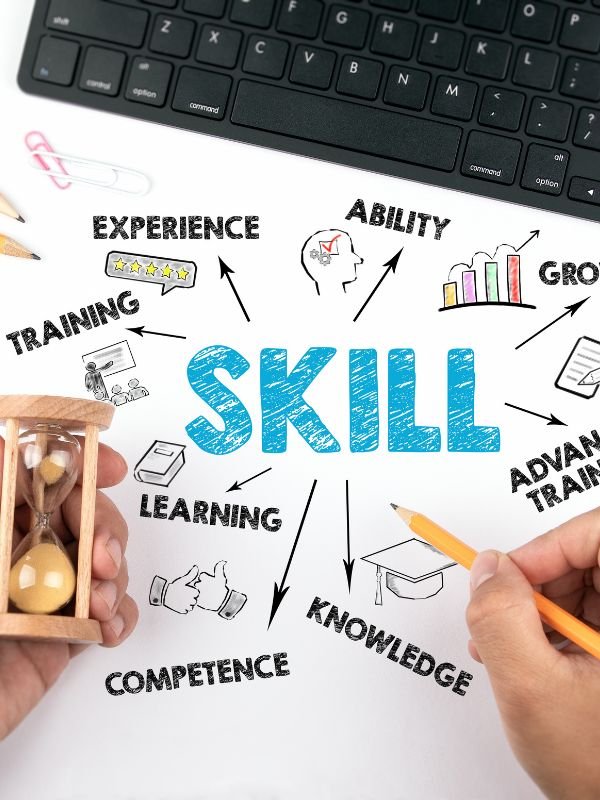
The world is moving faster than ever — and technology is leading the way. From artificial intelligence to digital marketing, new tools and systems are reshaping how we work, learn, and communicate.
If you want to stay relevant and competitive in the coming years, building the right digital skills is no longer optional — it’s essential.
Whether you’re a student, professional, or entrepreneur, learning these high-impact digital skills can open doors to better opportunities, higher income, and greater flexibility in your career.
Let’s explore the top digital skills to learn for the future and how each one can transform your personal and professional growth.
1. Artificial Intelligence (AI) and Machine Learning (ML)
AI and machine learning are at the heart of the digital revolution. They power everything from voice assistants to recommendation systems and self-driving cars.
Why it matters:
AI and ML are not just for programmers anymore. Businesses in healthcare, finance, education, and marketing are using AI tools to automate processes and analyze data.
Key skills to learn:
- Basics of Python and data analysis
- Neural networks and deep learning
- AI ethics and responsible use
- Automation tools like ChatGPT, TensorFlow, and OpenAI APIs
Career roles: AI engineer, Data Scientist, ML Specialist, AI Product Manager
Even learning to use AI tools effectively can set you apart in your field, making your workflow faster and smarter.
2. Data Analytics and Visualization
We live in an age of data. Every website visit, purchase, or social media click generates information — and companies need experts to make sense of it.
Why it matters:
Data analysis helps organizations make smarter decisions. Whether it’s identifying trends, predicting sales, or improving customer satisfaction, data-driven strategies are the new normal.
Key tools to learn:
- Microsoft Excel and Google Sheets (advanced features)
- SQL for database management
- Power BI and Tableau for visualization
- Python libraries like Pandas and Matplotlib
Career roles: Data Analyst, Business Intelligence Specialist, Data Consultant
With this skill, you can help any business turn raw data into meaningful insights.
3. Digital Marketing
In the digital age, marketing isn’t about billboards anymore — it’s about reaching people where they spend their time: online.
Why it matters:
Every brand, influencer, and company needs a digital presence. Knowing how to market products online is one of the most profitable and in-demand skills.
Key areas to learn:
- SEO (Search Engine Optimization)
- Social media management (Meta, Instagram, LinkedIn, TikTok)
- Content marketing and email automation
- Paid ads (Google Ads, Facebook Ads)
- Analytics and conversion tracking
Career roles: Digital Marketing Strategist, SEO Expert, Growth Marketer, Performance Marketing Manager
Even small business owners benefit from learning how to run simple campaigns or analyze website traffic.
4. Cybersecurity and Online Privacy
As technology grows, so do online threats. Cybersecurity is now one of the most critical and lucrative fields in tech.
Why it matters:
Every company — from startups to governments — needs protection against data breaches, phishing attacks, and malware. With rising concerns over privacy, cybersecurity experts are in constant demand.
Key areas to focus on:
- Network security and encryption
- Ethical hacking and penetration testing
- Cloud security
- Cyber risk assessment and compliance
Career roles: Cybersecurity Analyst, Information Security Officer, Ethical Hacker
Even if you’re not in IT, basic cybersecurity awareness (like safe password management or secure browsing) is a must-have skill for the future.
5. Cloud Computing
The world’s data and software are moving to the cloud. From Google Drive to massive enterprise platforms, cloud computing is the new digital backbone.
Why it matters:
Organizations prefer cloud infrastructure because it’s scalable, secure, and cost-efficient. Cloud computing skills are among the most requested in tech job listings.
Key tools to learn:
- Amazon Web Services (AWS)
- Microsoft Azure
- Google Cloud Platform (GCP)
- Cloud deployment and DevOps basics
Career roles: Cloud Engineer, Cloud Architect, Systems Administrator
With these skills, you can help companies store, manage, and process data more efficiently.
6. Web Development
Every business, influencer, and professional needs a strong online presence. Learning how to build websites gives you both creative and technical power.
Why it matters:
Web developers are in constant demand — from startups to large organizations. It’s a skill you can monetize easily as a freelancer or use to launch your own online projects.
Key areas to learn:
- HTML, CSS, and JavaScript fundamentals
- Frameworks like React, Angular, or Vue.js
- WordPress or Shopify for easy website building
- Web performance and responsive design
Career roles: Front-End Developer, Full-Stack Developer, UI/UX Designer
You can even combine this with digital marketing or design to build a complete digital skillset.
7. UX/UI Design
Good design isn’t just about looking nice — it’s about creating smooth, intuitive experiences. That’s where UX (User Experience) and UI (User Interface) design come in.
Why it matters:
In today’s crowded app and website space, usability can make or break a product. UX/UI designers blend creativity with strategy to keep users engaged and satisfied.
Key tools to learn:
- Figma, Adobe XD, or Sketch
- Wireframing and prototyping
- User research and usability testing
- Design psychology and accessibility
Career roles: UX Designer, UI Specialist, Product Designer
This is a high-paying skill that combines creativity, psychology, and tech.
8. Blockchain and Web3
Blockchain isn’t just about cryptocurrency. It’s a decentralized system with applications in finance, supply chain, voting, and digital identity.
Why it matters:
As the web evolves into Web3 — a more open, decentralized version — blockchain professionals will help shape the next phase of the internet.
Key skills to learn:
- Basics of blockchain and smart contracts
- Solidity programming for Ethereum
- Decentralized applications (dApps)
- Crypto wallets and security
Career roles: Blockchain Developer, Web3 Engineer, Crypto Analyst
Even basic knowledge can help you understand the evolving world of decentralized tech and digital assets.
9. Video Production and Editing
Video content dominates the digital world — from YouTube to Instagram Reels to online learning. Knowing how to produce and edit videos can set you apart in marketing, education, or entertainment.
Why it matters:
Video is now the most consumed content type online. Brands and creators constantly need skilled editors and producers to bring ideas to life.
Key tools to learn:
- Adobe Premiere Pro and After Effects
- DaVinci Resolve or CapCut
- Storyboarding and scripting basics
- Audio editing and visual storytelling
Career roles: Video Editor, Content Creator, Digital Producer
You don’t need a full studio — even a smartphone and free software can get you started.
10. Automation and No-Code Tools
Automation is the secret to working smarter, not harder. With no-code tools, even non-technical people can build apps, automate tasks, and streamline workflows.
Why it matters:
Companies love employees who can save time and reduce manual work. No-code automation tools are making this possible across industries.
Popular tools:
- Zapier, Make (Integromat) for workflow automation
- Notion, Airtable, and ClickUp for productivity
- Bubble and Glide for building simple web apps
Career roles: Operations Specialist, No-Code Developer, Automation Manager
Learning automation not only boosts efficiency — it helps you stay ahead in an increasingly AI-driven world.
11. Communication and Collaboration Tools
As remote and hybrid work continues to grow, knowing how to use digital collaboration tools effectively is crucial.
Essential platforms to learn:
- Slack and Microsoft Teams for communication
- Trello, Asana, and Jira for project management
- Google Workspace and Notion for documentation
Even though these tools are simple, mastering them can make you a more productive and reliable team player.
12. Financial and Digital Literacy
Finally, understanding how technology connects with money is a life-changing skill. From online payments to digital investments, financial literacy is going digital too.
What to focus on:
- Online banking and digital wallets
- Budgeting and investing apps
- Understanding digital taxation and security
Pro Tip: Combine digital skills with financial awareness — it’ll help you manage your income, side hustles, and online opportunities better.
How to Start Learning These Skills
You don’t need a computer science degree to get started. Many free or affordable platforms offer high-quality learning resources:
- Coursera, Udemy, LinkedIn Learning for structured courses
- YouTube for tutorials and walkthroughs
- FreeCodeCamp and Google Digital Garage for practical projects
Start small, stay consistent, and apply what you learn. The goal isn’t to master everything — it’s to grow continuously and stay adaptable.
Final Thoughts
The digital world is evolving every day — and those who keep learning will lead the future.
Whether you focus on AI, web design, or data analytics, investing time in digital skills pays lifelong dividends. These abilities don’t just boost your career — they help you think creatively, solve problems efficiently, and stay ahead in a tech-driven economy.
Start learning today. The best time to future-proof your career is now.
Disclaimer
This article is for informational purposes only. It does not constitute career, investment, or professional advice. Readers are encouraged to verify information and explore multiple learning sources before pursuing any specific skill or certification.
